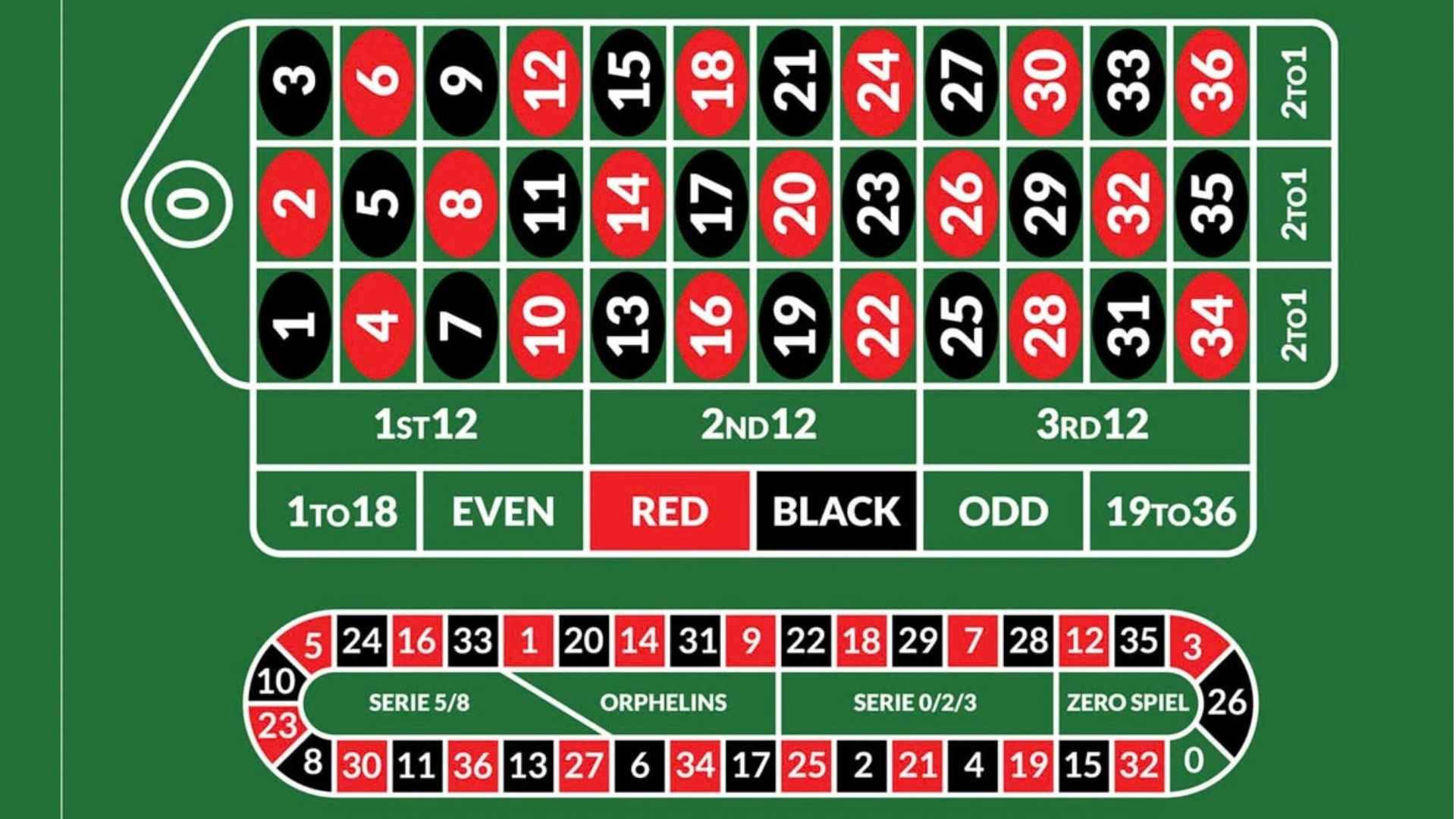
Rolling dice has captivated players for generations, not just because of the mathematical probability involved, but due to how the human mind interprets consecutive outcomes. When a player witnesses repeated numbers or long winning runs, the brain naturally looks for patterns within purely random events. Understanding these cognitive responses helps gamers maintain perspective and make rational decisions during gameplay.
The Perception of Hot and Cold Streaks
Human psychology often struggles to process true independence in probability. When a player lands several high rolls in a row, they frequently experience the illusion of momentum or a hot hand. This cognitive bias leads individuals to believe that short-term patterns will persist, despite the fixed odds of future rolls.
Conversely, experiencing a string of poor outcomes can induce feelings of frustration or bad luck. Players might mistakenly assume that a favorable roll is overdue to restore balance to the system. Recognizing that each throw remains entirely independent prevents players from falling into emotional traps during intense matches.
The Gamblers Fallacy in Dice Probability
The gambler's fallacy is one of the most common psychological phenomena observed in chance-based games. It occurs when a person believes that past outcomes directly influence future probability. For instance, after rolling multiple low totals, a player might double down expecting a high total next.
This misinterpretation stems from expecting small sample sizes to reflect long-term statistical averages. While thousands of rolls eventually normalize, short sessions frequently exhibit unexpected clusters and variance. Gamers exploring strategic concepts online, including discussions surrounding the m88 slot, often study how variance influences decision-making across various games of chance.
Emotional Responses to Unexpected Runs
Consecutive runs of identical results trigger powerful emotional reactions, ranging from excitement to anxiety. A unexpected streak can create heightened confidence, encouraging players to take bigger risks than usual. On the other hand, sustained losing runs often induce stress and impulsive decision-making.
Managing these emotional shifts is essential for maintaining tactical discipline. Experienced tabletop players cultivate self-awareness to separate their feelings from logical probability evaluation. By keeping emotional responses in check, gamers can enjoy the excitement without letting feelings dictate strategy.
Developing a Rational Gaming Mindset
Adopting a grounded perspective toward probability transforms how individuals experience dice games. Accepting that short-term randomness contains natural clustering helps demystify long streaks. Rather than searching for hidden patterns, players can focus on optimizing their resource management and tactical choices.
Ultimately, recognizing the psychological impact of streaks leads to a more fulfilling gaming experience. Understanding how your mind responds to uncertainty allows for greater control over strategic decisions. Embracing the unpredictable nature of dice makes every session both an intellectual challenge and an enjoyable pastime.