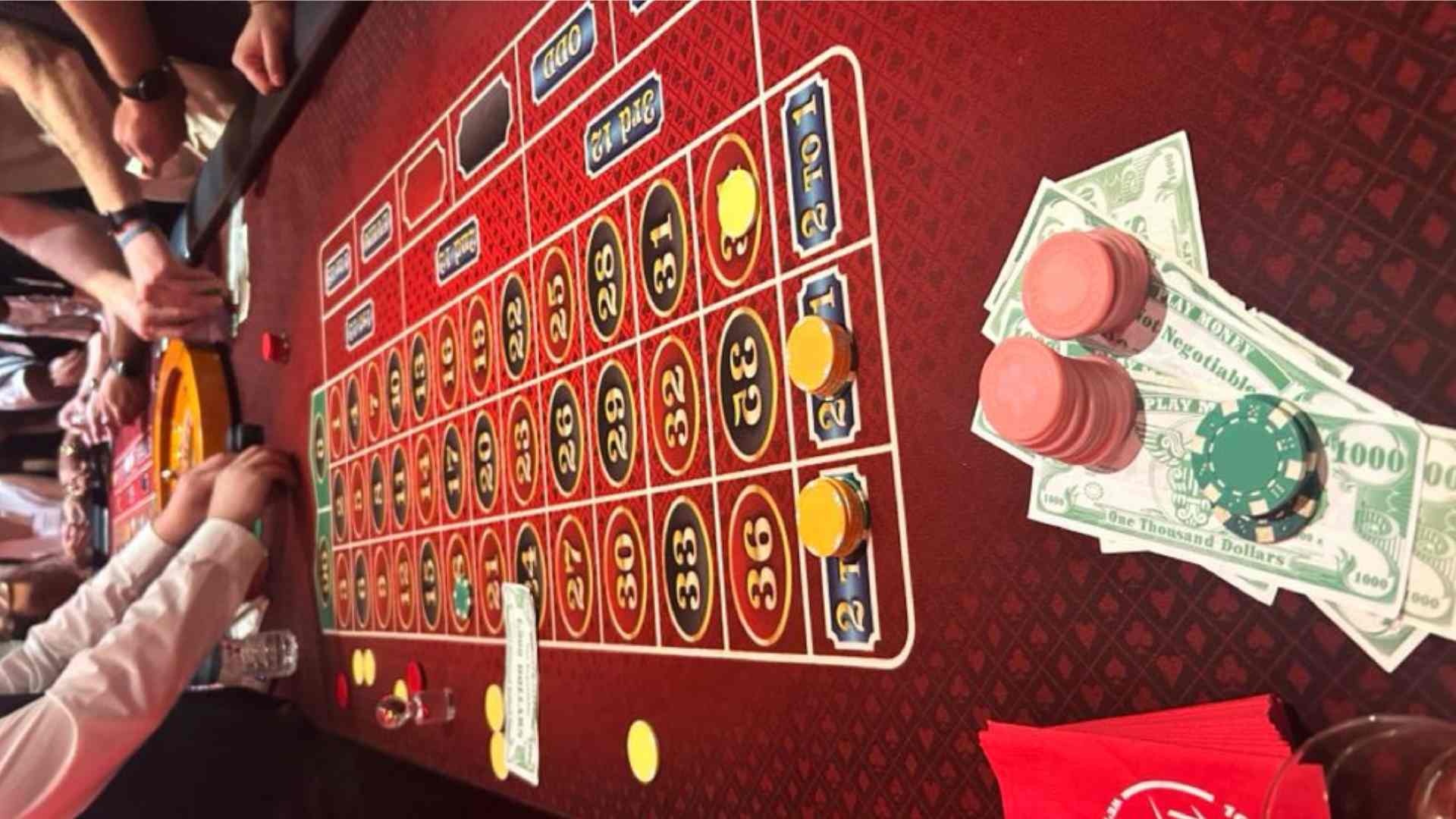
The modern gaming landscape is undergoing a massive transformation as developers move away from static progression systems. Simple gaming loops that once relied entirely on repetitive tasks are being revitalized through dynamic incentive designs. By incorporating responsive feedback structures, creators can turn basic interactions into deeply immersive digital journeys.
The Psychology of Active Participation
Traditional reward systems often feel predictable because they offer fixed outcomes for completing basic milestones. Interactive mechanics alter this dynamic by giving players a sense of agency over how they discover incentives. When a participant realizes their choices actively shape the payout structures, their intrinsic motivation increases exponentially.
This shift in player behavior is closely tied to behavioral science and self-determination theory. Environments that fulfill the basic psychological needs of autonomy and competence foster long-term session sustainability. Instead of chasing a single top-tier prize, users find genuine enjoyment in the fluid architecture of the gameplay itself.
Elevating Engagement with Adaptive Milestones
Dynamic reward structures introduce layered micro-objectives that keep the central interface fresh and unpredictable. This approach ensures that even casual gaming applications can maintain impressive user retention rates over extended periods. Providing instant clarity regarding progression milestones allows participants to develop personal strategies during their playtime.
Many modern entertainment platforms are successfully implementing these real-time engagement loops to enhance customer loyalty. For example, individuals exploring mobile options via m88 มือถือ frequently encounter specialized event features that adapt to their specific interaction patterns. This deliberate design choices ensure that every milestone feels earned rather than completely randomized.
Balancing Randomness and Strategic Choice
A significant challenge for contemporary system architects is balancing the element of surprise with meaningful player input. Completely random delivery systems can occasionally lead to user fatigue if the outcomes feel entirely detached from effort. Conversely, adding customizable bonus paths or interactive mini-games restores a healthy sense of control to the end user.
When a digital presentation layer reactive to real-time decisions, the overall narrative world becomes much more responsive. Players are encouraged to experiment with different approaches to observe varied conversational or mechanical outcomes. This healthy interplay between chance and calculated choice transforms routine entertainment into a sophisticated experience.
The Future of Dynamic System Integration
As technological capabilities continue to advance, the integration of artificial intelligence will further personalize player incentives. Future digital architectures will likely analyze consumer preferences instantly to construct unique progression models. This evolution ensures that interactive platforms remain highly sustainable and aligned with shifting market demands.
Ultimately, the true value of interactive design lies in its ability to generate meaningful user value beyond the top jackpot. By focusing on varied, high-quality secondary bonuses, developers establish a solid foundation of customer trust. Elevating simple gameplay mechanics through purposeful interaction layers remains the definitive standard for modern digital entertainment.